About

Know your limits, but never limit yourself.

I have many identities, but they do not define me. One that some might see as limiting is being neurodivergent. For me, it helps me see the world through different lenses more easily. This mantra has guided me for years, and it is the most accurate description of how I move through the world.

Learning to adapt

I grew up in England after emigrating from Peru at the age of nine. The first years were an exercise in adaptation: a new language, a new culture, and a new frame for everything I had known. In time, I adapted. Looking back, the experiences that shaped me most were led by people who were genuinely passionate about what they taught — not performance, not information delivery, but actual contact with an idea that had changed someone from the inside.

I found that contact in microbiology. What I loved most about science was exactly what made it difficult: the puzzles, the hypotheses that failed, the experiments that forced me to revise what I thought I knew.
Twenty years of evidence

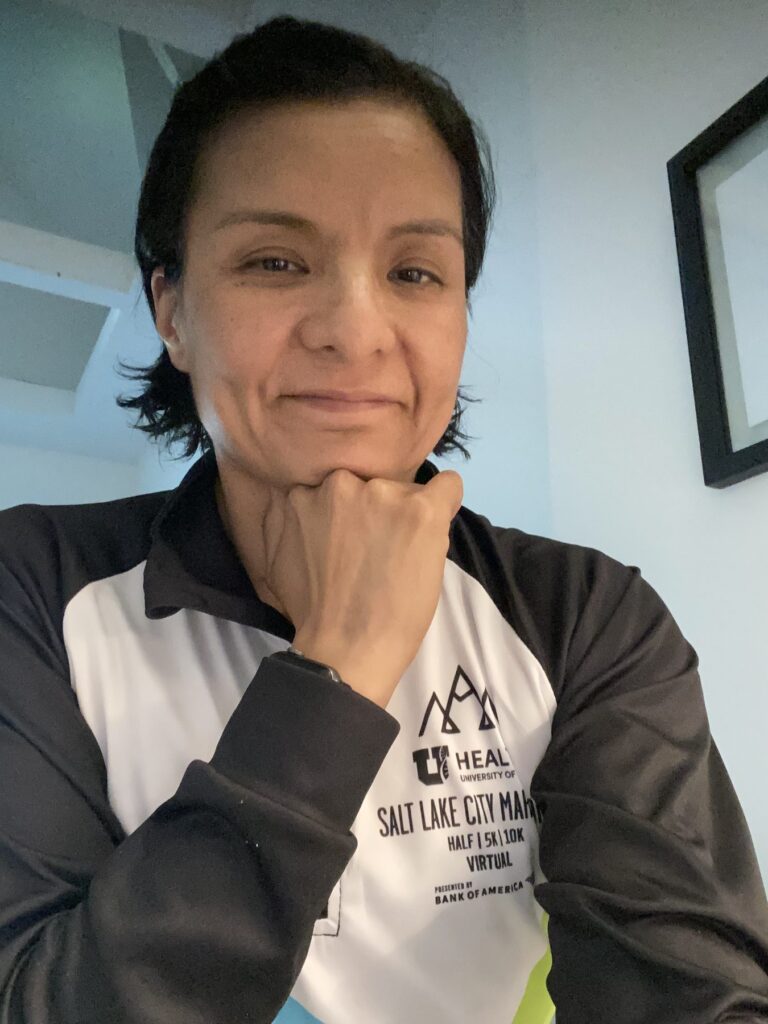
I earned my master’s at Nottingham Trent University and my PhD in microbiology at the University of Nottingham. Bacteriophage biology carried me from England to the United States — through phage laboratories, a biotech company where I served as acting Chief Scientific Officer, and the University of Utah, where I became research faculty. I directed a laboratory studying bone and wound infections and an infectious-disease research program running multi-million-dollar, multi-year studies, and I reviewed science for the NIH and the Department of Defense.

The most important experiment of my life

The external record was strong. The strategy was working. And then I began to notice what the strategy was not returning. The body registers these things before the mind is ready to name them. Performance that looked steady from the outside felt cyclical underneath. Decisions that should have been clear felt heavier than they needed to be.

I had spent two decades designing experiments to study systems under stress. I had not yet turned that same discipline inward.

Outgrowing the edges

I walked away from my academic career, not from failure, but from outgrowing its edges. I came to see that the way to make the world better was not to stay a recluse, endlessly pursuing knowledge about how systems worked. It was to connect with similar like-minded people ready to find their higher self and pass that wisdom on — like a pebble and its ripples on still water.

So I set out to test a question most of us rarely dare to ask: how much can a person grow when they fully believe in themselves?

A recalibration, not a reinvention

That experiment became The Hormetic Path. The name comes from a principle I trust from biology: calibrated stress is what triggers adaptation — and what is true for the body is true for the inner life.

I trained in evidence-based coaching with the Jay Shetty Certification School, in mental fitness with Positive Intelligence, and in hypnotherapy through Mindvalley’s program with Paul McKenna. Not because I abandoned the scientific frame, but because I found tools precise enough to integrate with it.

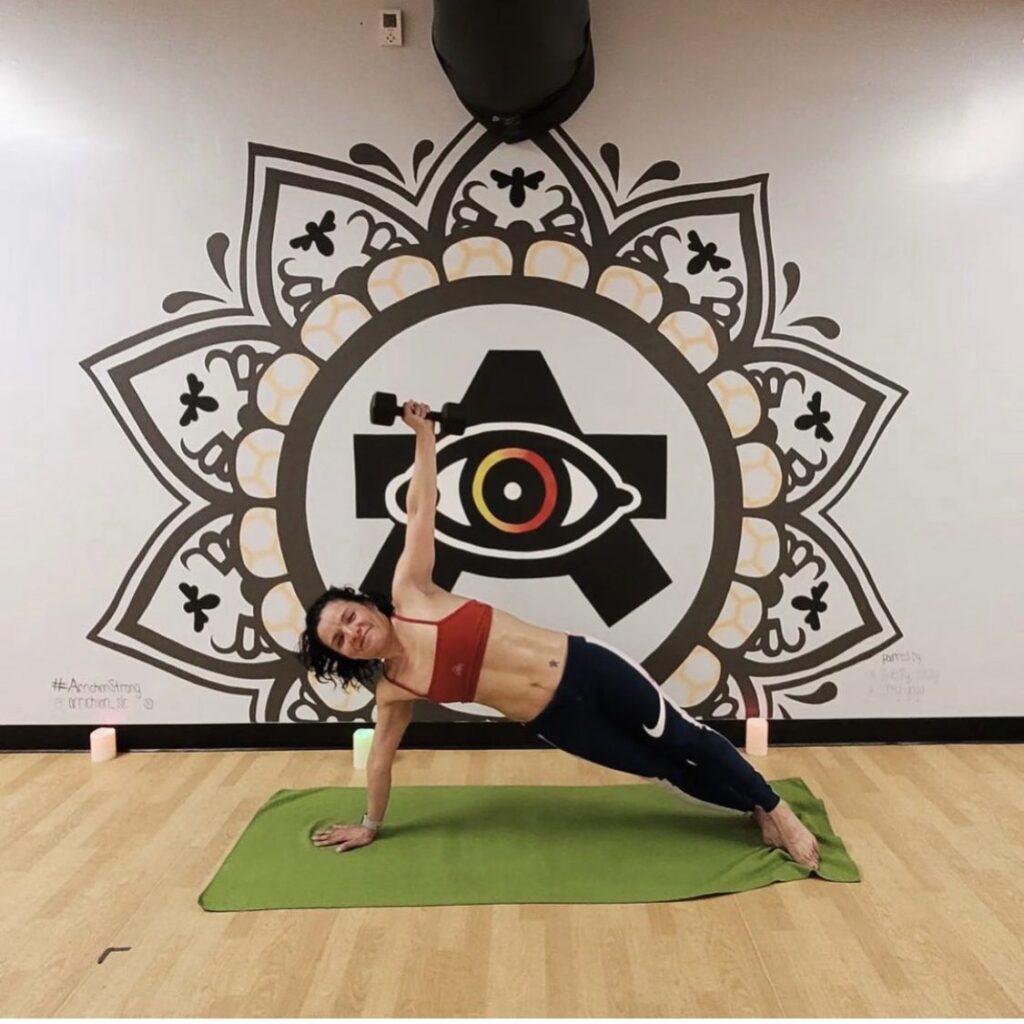
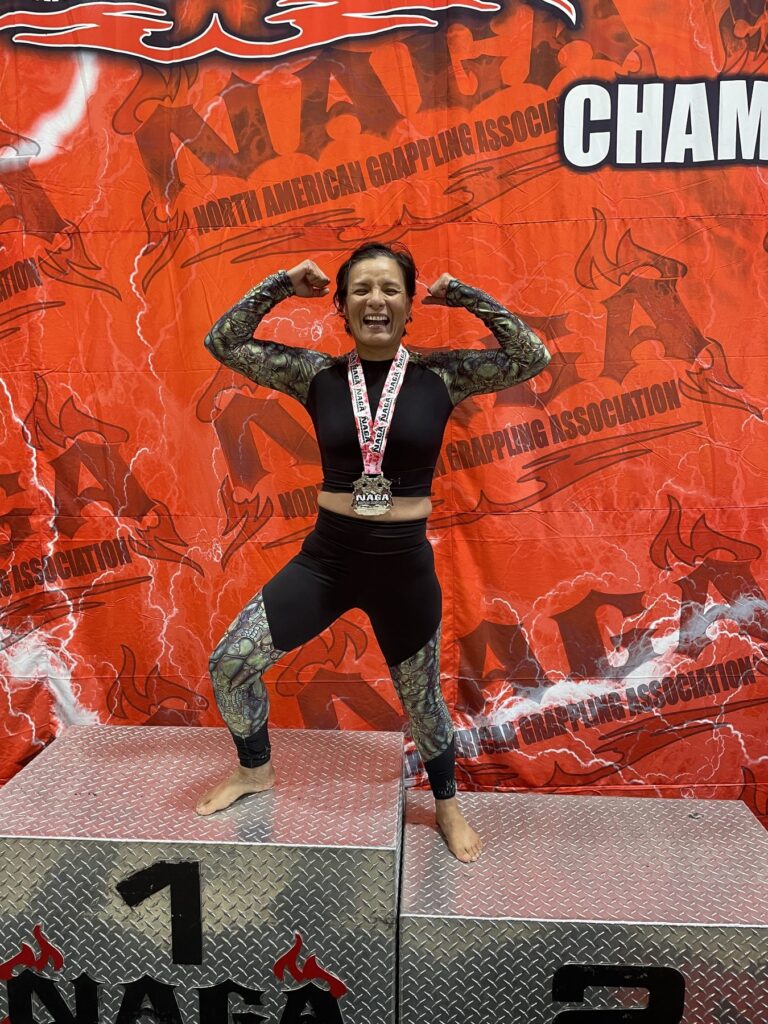
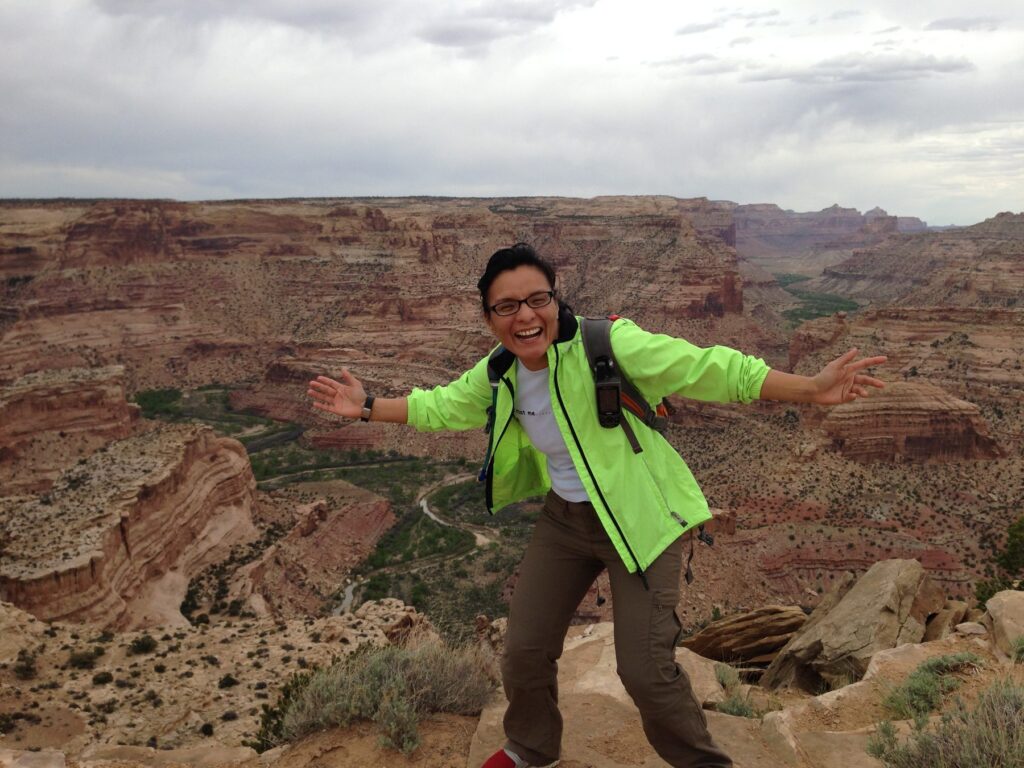
Not all of me fits in a lab coat or a coaching session. I am a warrior, an explorer, a scientist, and I practice every health protocol I champion. Now I am building an eco-village where this way of living can be practiced, not just discussed.

Science in one hand, soul in the other.

The more I learn, the more I recognize how much there is still to learn. That posture — curious, rigorous, open — is what I bring to this work. You do not need to have it figured out to begin. You need a working hypothesis and the willingness to treat the data honestly.

Get in Touch